

Keeping Council Tax low while protecting services
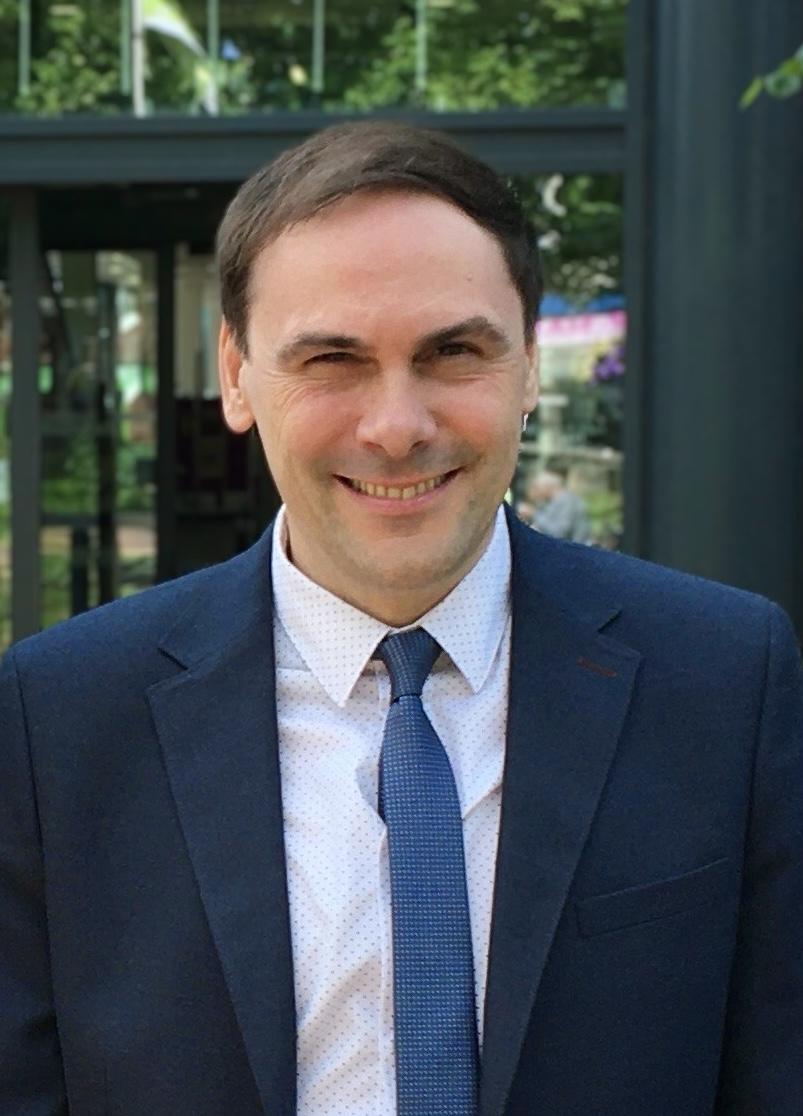
Newcastle-under-Lyme Borough Council’s proposed below-inflation council tax increase will still allow millions of pounds to be spent in the borough.
Under proposals being considered by the Borough Council for 2026/27, 95 per cent of the borough’s households will pay no more than 10 pence a week extra – while many properties will pay less.
The suggested 1.99 per cent increase puts the authority on target to set a balanced budget despite a marked reduction in Government support, to carry on delivering effective front-line services, and to continue its investment in town centre regeneration for Newcastle and Kidsgrove.
Simon Tagg, Leader of Newcastle-under-Lyme Borough Council, said:
Despite the Government’s changes reducing Newcastle’s funding allocation by £1.1 million over the next three years, we are able to deliver a balanced budget and spend money on the services that matter to residents.”
Since its creation in 2018, the council’s Efficiency Board has identified savings and improvements worth £10 million – this has allowed the Borough Council’s administration to honour its pledge to keep an increase in council tax below two per cent for a fifth year.
Simon Tagg added:
Investing in energy saving measures in the J2 leisure centre, checking hygiene standards at restaurants and takeaways, managing parks and protecting dozens of green spaces from development, collecting bins swiftly and promoting our town centre are all made possible by effective management of our resources.
Add the large-scale job creation at Chatterley Valley West, investment in Kidsgrove town centre and the once-in-a-generation regeneration of Newcastle town centre, it’s clear that we are determined to spend every pound wisely for residents.
As well as doing all those things we have honoured our promise to residents in the borough to keep council tax down, when others have not been able to keep their pledges.”
By law, councils must balance their budgets every year without borrowing to do so.
Stephen Sweeney, Deputy Leader of Newcastle-under-Lyme Borough Council and Cabinet member for Finance, Town Centres and Growth, wrote to the Chancellor Rachel Reeves earlier this year detailing the challenges facing the authority.
He described how the continuing cost-of-living crisis, the unplanned costs of dealing with the forced reorganisation of Local Government, and the rising cost of providing up to 50 nights’ accommodation for individuals and families made homeless had affected council finances.
Stephen Sweeney said:
Councils are facing greater demands on fewer resources than ever before so it’s doubly disappointing that having not replied to my letter the Chancellor should massively reduce funding to authorities such as ours.
We have been dedicated in controlling our costs to ensure value for money, but it’s also essential that we receive a fair settlement from central government.”