

Council backs county-wide strategy to recover nature
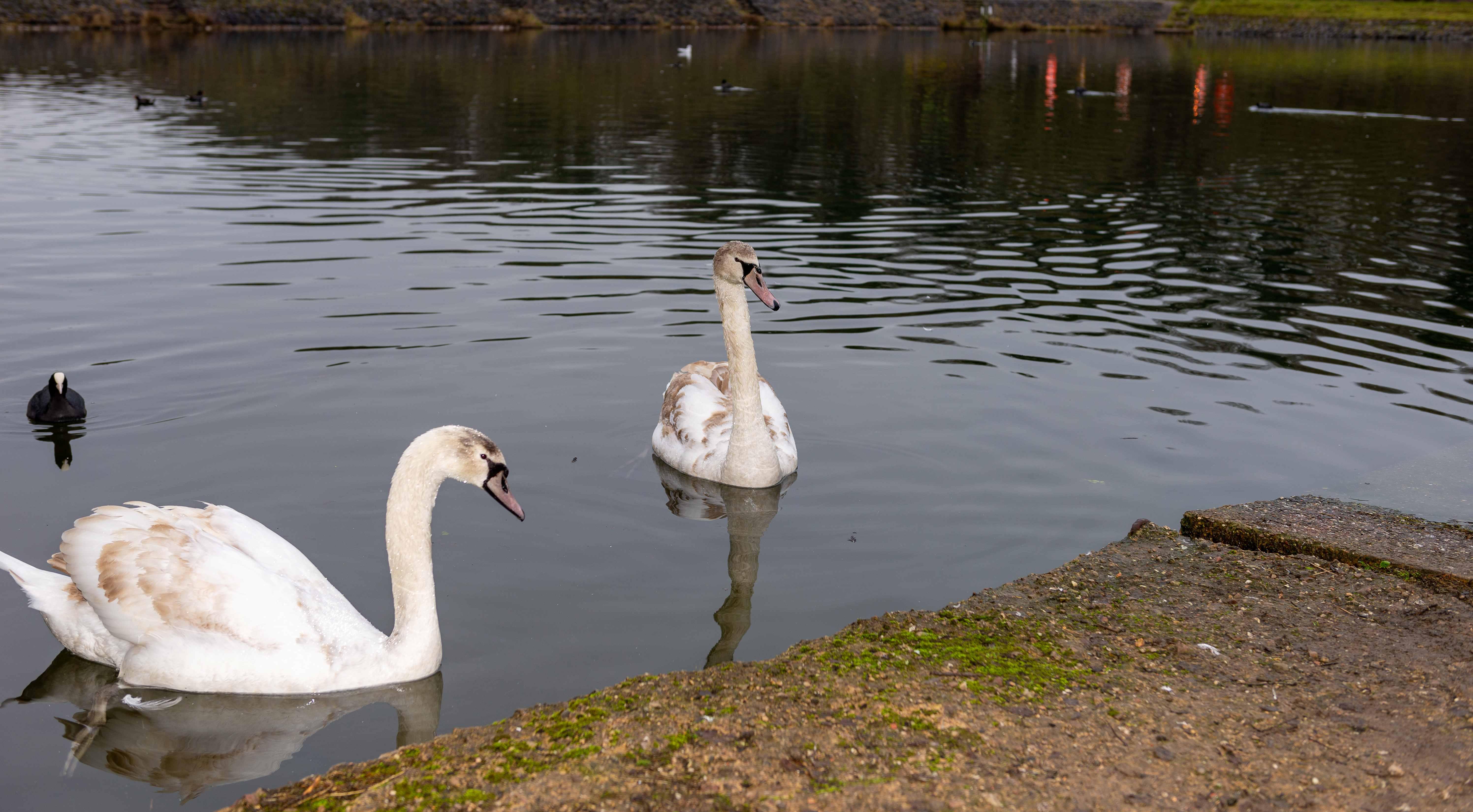
A shared plan to reverse the decline of nature in Staffordshire has received the seal of approval in Newcastle-under-Lyme.
Newcastle-under-Lyme Borough Council has endorsed a draft Local Nature Recovery Strategy ahead of formal public consultation set to take place early this year.
The proposed strategy, prepared by Staffordshire County Council with input from the borough council and other stakeholders as part of a national programme, sets out a county-wide vision where nature thrives, habitats are better connected and wildlife is more resilient to climate change – with recovery driven by a collaboration involving councils, landowners, businesses, farmers and communities.
Nine strategic priorities focus on actions such as restoring habitats, improving wildlife connectivity, supporting nature-friendly farming and integrating green and blue infrastructure into planning and development. The strategy, once adopted, will inform a borough-specific delivery plan.
Almost 10,000 different types of invertebrates, fish, birds, mammals, amphibians, reptiles, fungi and vascular plants have been found in the county. Local declining species include the Daubenton’s bat, grey partridge, hazel dormouse, hedgehog, small heath butterfly, tree sparrow, water vole and white-clawed crayfish.
Council Leader Simon Tagg said:
Supporting Staffordshire’s draft Local Nature Recovery Strategy is an important step in tackling the long-term decline of nature and wildlife in Newcastle-under-Lyme and beyond.
We have a strong track record of enhancing local wildlife and ecosystems in the borough, having been the first council in Staffordshire to adopt a nature recovery motion back in November 2021. The theme is embedded in our Sustainable Environment Strategy, Grassland Management Strategy and Tree Management Policy. For example, we’ve significantly increased our tree canopy with 34,000 new trees over the past five years.
While we’re disappointed that the process hasn’t moved as quickly as originally planned, this strategy will give us a clear, evidence-based framework to support our ongoing work, making sure that further improvements deliver additional, tangible benefits for wildlife, communities and the wider environment.”
Formal feedback – highlighting the need for clearer delivery arrangements, funding clarity and practical implementation at a local level – is being submitted to the county council as part of the pre-consultation process.
Alongside boosting biodiversity, nature recovery can reduce flood risk, improve air quality, support climate change mitigation and boost residents’ health and well-being.