

Councillors to hold forced Local Government Reorganisation to account
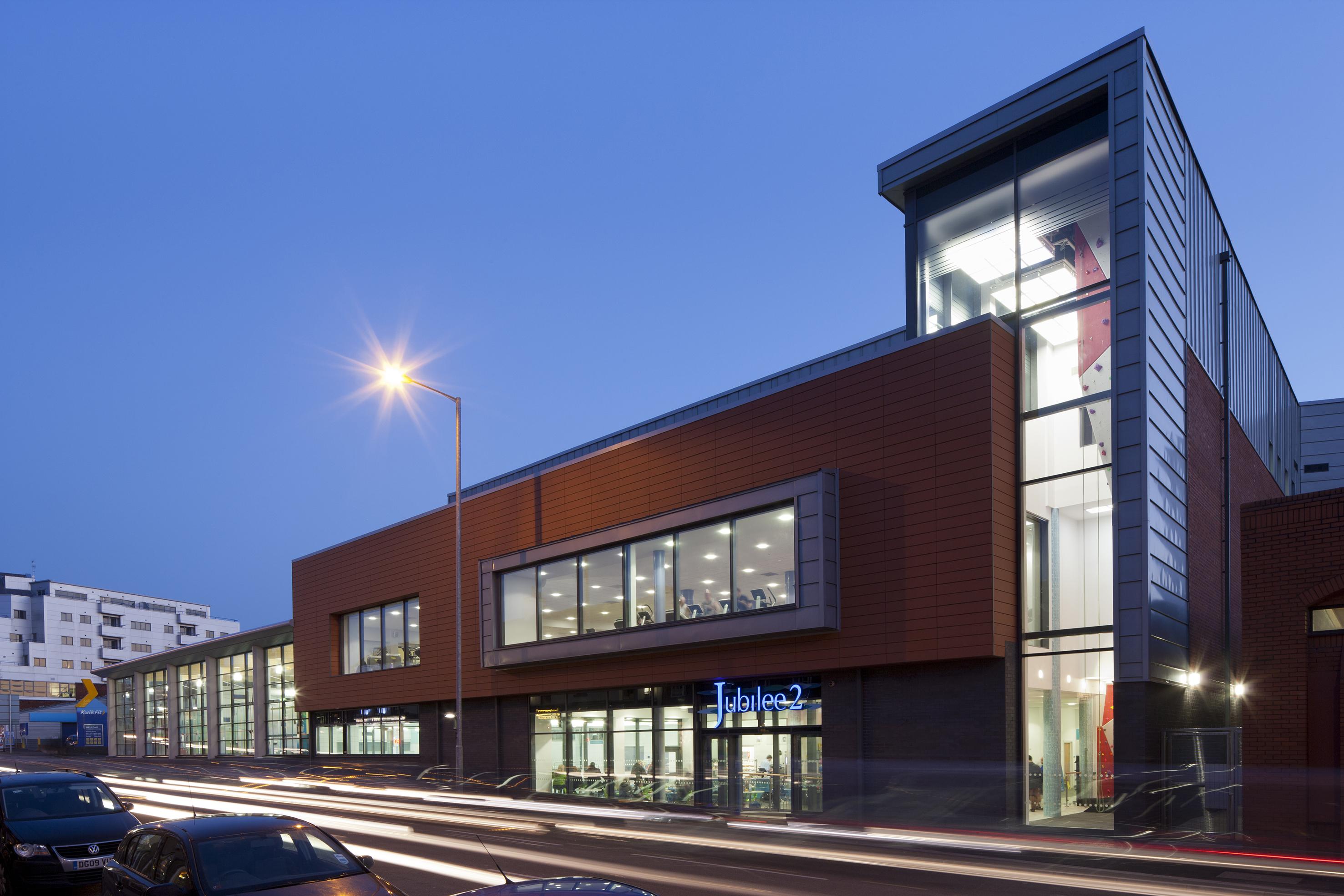
The Council is setting up a Cabinet-led inquiry panel to guide the authority’s response to the government’s proposals for forced Local Government Reorganisation.
The cross-party group, chaired by the leader of Newcastle-under-Lyme Borough Council, will be looking at detail and evidence from a range of people, including local MPs, to be clear on how the Government policy will affect the services residents receive.
The Council also revealed it will have to set aside £800,000 from its budget over the next two years if the proposed move from the ‘two- tier’ county and borough system to single tier unitary authorities goes ahead.
Simon Tagg, Leader of Newcastle-under-Lyme Borough Council, said:
I have heard from places around the country that share our view that proposed forced reorganisation of local government carries many potential costs and difficulties as staff and services are transferred, systems are aligned, places of work reorganised and local voices lost.
We believe that the quality and funding of local services should not be affected because the Government is forcing through unwanted change.
This Cabinet-led inquiry panel, comprising members of different parties, will seek out the detail of what is being proposed and ask how it affects our communities.
It will be particularly useful to know what direction the Government intends to take and what new boundaries they set for councils in the summer.”
The report to be considered by Cabinet next week also recommends contingency planning in case central Government imposes Newcastle’s and Kidsgrove’s inclusion into a large-size ‘super-authority’ with a smaller number of councillors serving a larger geographic area.
Simon Tagg added:
It’s suggested that this forced move to large-scale unitary authorities will ‘improve democracy’.
But I believe having fewer councillors and a council based further away doesn’t improve local democracy.
If reorganisation goes ahead we believe a unitary authority based on Newcastle’s current boundaries is the best solution, but if rejected by the government then we need to think about how we best ensure local democracy is maintained in the towns and parishes across the borough.”
Councils in Staffordshire expect to hear back from Ministers in the summer about their proposed next steps on Local Government Reorganisation.