

Council’s move to scrap net zero identifies savings immediately
Scrapping a council commitment to be carbon neutral by 2030 is already identifying savings for taxpayers of more than £2 million.
Newcastle-under-Lyme Borough Council’s new administration is scrapping ‘Net Zero Newcastle 2030’ and bringing a motion to Full Council to reverse a 2019 decision to declare a ‘climate emergency’.
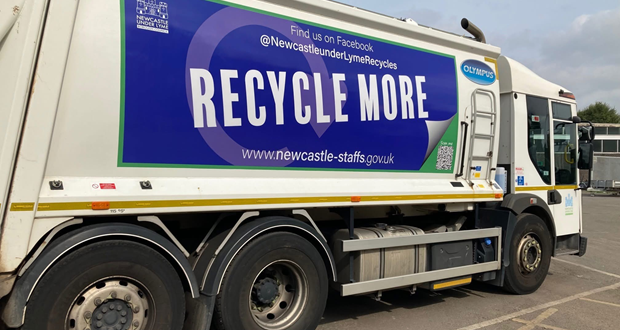
That means a plan to replace waste collection lorries with electric models, when vehicles needed renewing, has been cancelled – saving £70,000 per lorry.
The lorries will be replaced by non-electric vehicles with the latest emissions standards instead, saving £2.19 million, plus a further £349,000 in associated financing costs over a five-year period.
Jonathan Gullis, Leader of Newcastle-under-Lyme Borough Council and Cabinet member for Planning and Town Centres, said:
We meant it when we said this Reform UK-led Council would put taxpayers before Net Zero virtue signalling.
Residents care about their bins being collected, streets being clean, communities being safe and council tax being spent properly, not costly electric bin lorries bought to satisfy a political agenda.
This significant saving proves we are serious about value for money. We will stop waste, save money where we can, and focus relentlessly on the real priorities people elected us to deliver.”
If passed by Full Council, all spending associated with that programme will be reviewed.
Officers are being asked to assess what money has already been spent, what commitments the Council is contractually or legally bound to deliver, and what funding remains uncommitted.
Coun Ben Simpson said:
As Cabinet Member for Waste, Recycling & Green Spaces, my priority is making sure residents get reliable weekly bin collections.
That means buying vehicles that are dependable, affordable, and fit for purpose. Not pouring taxpayers’ money into expensive electric bin lorries and then spending even more on the infrastructure needed to charge them.
Bin collections are a basic service. Residents rightly expect them to be delivered properly, consistently and at good value. That is what I am focused on.”